



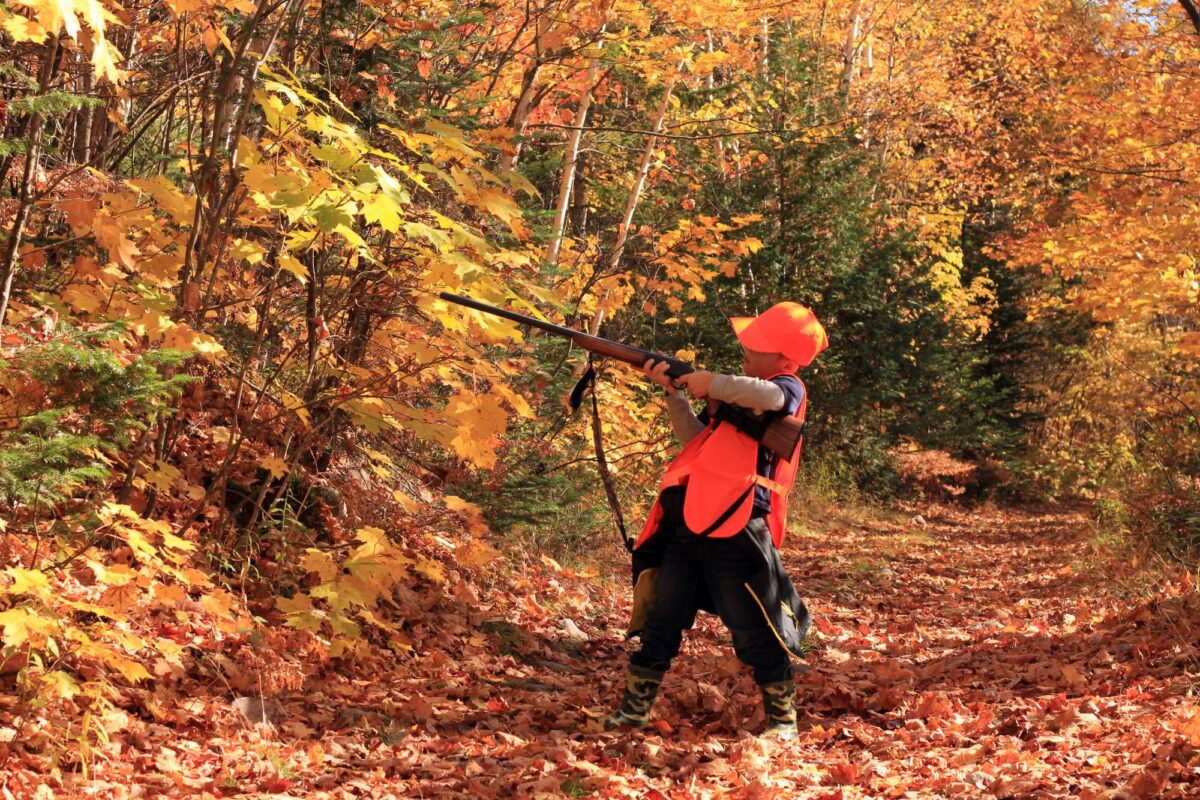
I was 7 years old when I accompanied my dad on my first hunt, an experience that helped shape the hunter I am today. When I became a parent, I wanted to share that love of hunting with my own children and give them memories of their own.
My oldest daughter is now 8 and has been a licensed hunter for three years. Here’s what I’ve learned about introducing kids to hunting.
There’s no perfect age for a first hunt
Some kids may be ready to hunt at a young age, while others may need more time. Every child is different, and some may never want to hunt at all. There should be no pressure.
Before planning a first hunt, consider whether your child is genuinely interested, comfortable spending time outdoors and able to follow safety instructions. You can also start by bringing them along to observe rather than having them participate as a hunter. Giving them a chance to experience the outdoors without the pressure of a successful hunt can help you figure out what they’re ready for.
Editor's Picks
Camp & Country · Field checklist
Is your child ready for their first hunting trip?
There’s no perfect age for a first hunt — and no pressure to have one. Work through five quick questions to see which conversations to have and what to prepare before heading out. This isn’t a pass-or-fail test.
Your planning notes
Whatever you decide, let your child set the pace — and measure success by the time you spend together, not by filling a tag.
These notes are a planning aid for family conversations. They are not a readiness rating or legal guidance.
Consider starting with small-game hunting
Big-game hunting can require long hikes, early mornings and hours of sitting quietly. Small-game hunting can offer more flexibility, with shorter outings and more opportunities for kids to move around. Depending on the location, species and season, you may also have more chances to spot game.
In my experience, kids also get a real sense of accomplishment from carrying back the small game they’ve hunted.
Teach firearm and bow safety before heading out
Before taking your child hunting, make sure they understand basic firearm or bow safety, even if they’ll only be observing. If they’ll be handling hunting equipment, they need appropriate safety instruction and adult supervision before heading into the woods.
Before heading out, check your state’s youth hunting regulations, including minimum ages, licensing, hunter education requirements and supervision rules. The Association of Fish and Wildlife Agencies can help you find your state’s wildlife agency, while the International Hunter Education Association provides information about hunter education courses.
Let your child set the pace
In my experience, letting your child help plan the outing is one of the keys to a great hunt. If you enjoy getting into the woods before sunrise but your child needs more sleep, maybe an afternoon hunt is better.
Give kids a say in whether they want to go and how long they’d like to stay. They’ll often be more enthusiastic when they feel involved in those decisions.
It’s about more than the hunt
Even after eight years of hunting with my kids, I still forget this occasionally. Hunting with children takes extra preparation and attention to safety, and after all that effort, they might scare off every animal in the woods.
But a successful hunt isn’t just about filling a tag. It’s also about learning something new and spending time together. Remembering that makes the experience more enjoyable.
Your home base for the great outdoors. Sign up for the Camp & Country newsletter
Keep the adventure going. Follow Camp & Country on Instagram, Facebook, X and Bluesky for outdoor inspiration, trip ideas and more.