

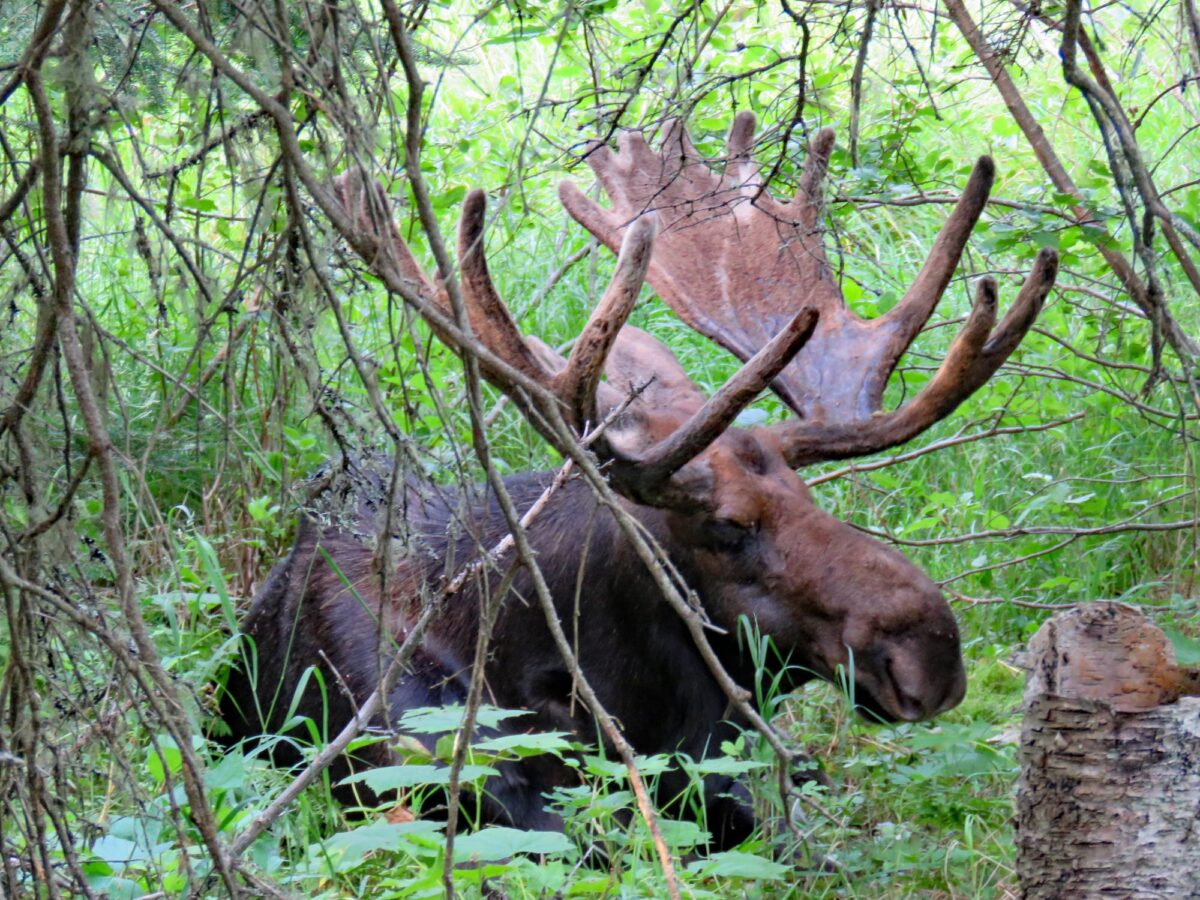
In my travels around Michigan’s Upper Peninsula as an outfitter, writer and biologist, I’m frequently asked where someone can be guaranteed to see a moose.
My response? A zoo that has one.
The truth is, plenty of people living in the Upper Peninsula have never seen a moose. So, where can you go to increase your chances of seeing the largest member of the deer family?
Where to look: Tahquamenon Falls State Park
Outside of Isle Royale, one place I’d recommend looking for moose is Tahquamenon Falls State Park. Don’t expect one to wander into the open at the Upper Falls and pose for photographs. Finding a moose requires patience, persistence and a willingness to explore beyond the park’s busiest areas.
Editor's Picks
A good strategy is to quietly explore trails near Rivermouth Campground and along the Tahquamenon River. Moose favor wetlands, ponds and slow-moving stretches of river, so those are the areas I’d concentrate on. Of course, sightings are never guaranteed.
Early morning is a good time to look. If you’re planning to hike before sunrise, familiarize yourself with the route during daylight, bring a headlamp and give yourself plenty of time to reach a safe viewing spot. Stay on established trails and don’t approach a moose for a closer look.
Where to look: Craig Lake State Park
The Huron Mountains are northwest of Marquette, with much of the surrounding land privately owned. One public place I’d recommend looking for moose in this part of the Upper Peninsula is Craig Lake State Park. The park has hiking trails, lakes and wetlands, along with backcountry campsites that can serve as a starting point for your moose-watching adventure.
Craig Lake is remote, so plan accordingly. Backcountry campsites require reservations, and the rough access road is best suited to vehicles with high ground clearance and four-wheel drive. The park’s roads are typically impassable to vehicles during the snow season, generally Nov. 1 through May 15.
An October 2026 wildfire also affected the park, temporarily closing some trails and backcountry areas. Although the fire was fully contained by Nov. 5, visitors should check the park’s current access information before heading out.
How to improve your chances of seeing a moose
Moose have an excellent sense of smell and hearing. Keep your own scent in mind and position yourself downwind of where you think a moose might appear. Sitting still is key, as they can hear movement, including the rustling of leaves or the snapping of a twig.
Bring a chair, your thoughts and a hot beverage, and just sit quietly as the sun rises. If you’re lucky enough to spot a moose, keep your distance and don’t approach it for a better photograph.
And you could just get lucky.
Moose aren’t confined to Tahquamenon Falls or the Huron Mountains, and sometimes the best sightings happen when you aren’t looking for them.
When driving through the Upper Peninsula with a passenger, have them keep an eye on the wetlands along the way. That’s how I had my one and only moose sighting on the Upper Peninsula mainland. It was in a wetland just west of Au Train. It was definitely an “Aha!” moment for me.
If you spot one from the road, pull completely off the roadway somewhere safe before stopping to watch. Don’t block traffic or put yourself or other drivers at risk for a better view.
The Michigan Department of Natural Resources estimated about 300 moose in the western Upper Peninsula’s core survey area in 2025, down from 426 in 2023. The survey doesn’t cover the entire Upper Peninsula, but the numbers give you an idea of how elusive these animals can be.
In all my time traveling the U.P., I’ve had tens of thousands of interactions with customers and others. Only one person ever reported seeing a moose. His sighting was by accident as well.
Camp & CountryWildlife Field Guide
The moose is out there.
Finding one in Michigan’s Upper Peninsula takes patience, persistence and a little luck.
2 places to start lookingTwo places to start looking
Eastern
Upper Peninsula
Tahquamenon Falls State Park
Where to concentrate your search
- Trails near Rivermouth Campground
- The Tahquamenon River
- Wetlands, ponds and slow-moving water
Field noteLook beyond the park’s busiest areas. Early morning, patience and quiet observation can improve your chances.
Official park information for Tahquamenon Falls State Park (opens in a new tab)Western
Upper Peninsula
Craig Lake State Park
Access advisory: October 2026 wildfire. Check current DNR conditions before you go.
Where to concentrate your search
- Wetlands and lakes
- Quiet backcountry areas
- Trails away from heavily traveled areas
Field noteThis remote park rewards preparation. Access can be difficult, especially in snowy months.
Before you goA lightning-caused wildfire in October 2026 burned in the park’s northern reaches, and some trails were closed during fire suppression. Don’t assume every trail or backcountry area is open. Check current Michigan DNR access information before visiting.
Official park information for Craig Lake State Park (opens in a new tab)Your home base for the great outdoors. Sign up for the Camp & Country newsletter
Keep the adventure going. Follow Camp & Country on Instagram, Facebook, X and Bluesky for outdoor inspiration, trip ideas and more.