

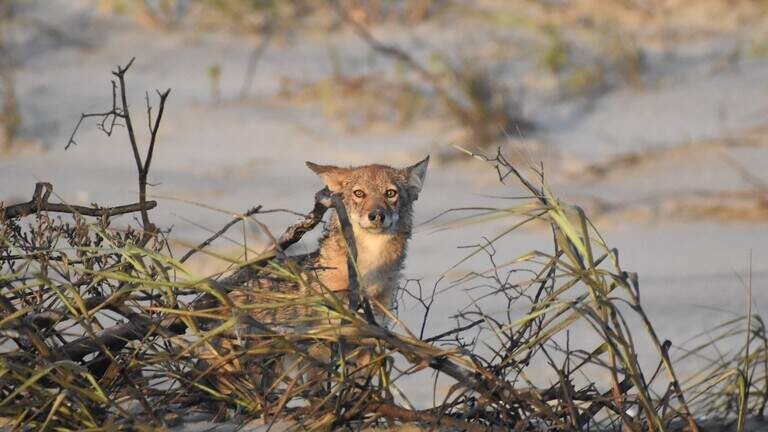
From a coyote swimming between North Carolina’s barrier islands to gray wolves getting GPS collars in California, this week’s wildlife news has a little bit of everything. And one North Carolina angler landed a record-breaking fish after spending years studying the very records he hoped to beat.
Here are three stories from McClatchy newsrooms about surprising encounters and discoveries in the outdoors.
A coyote swims nearly 2 miles between Outer Banks islands
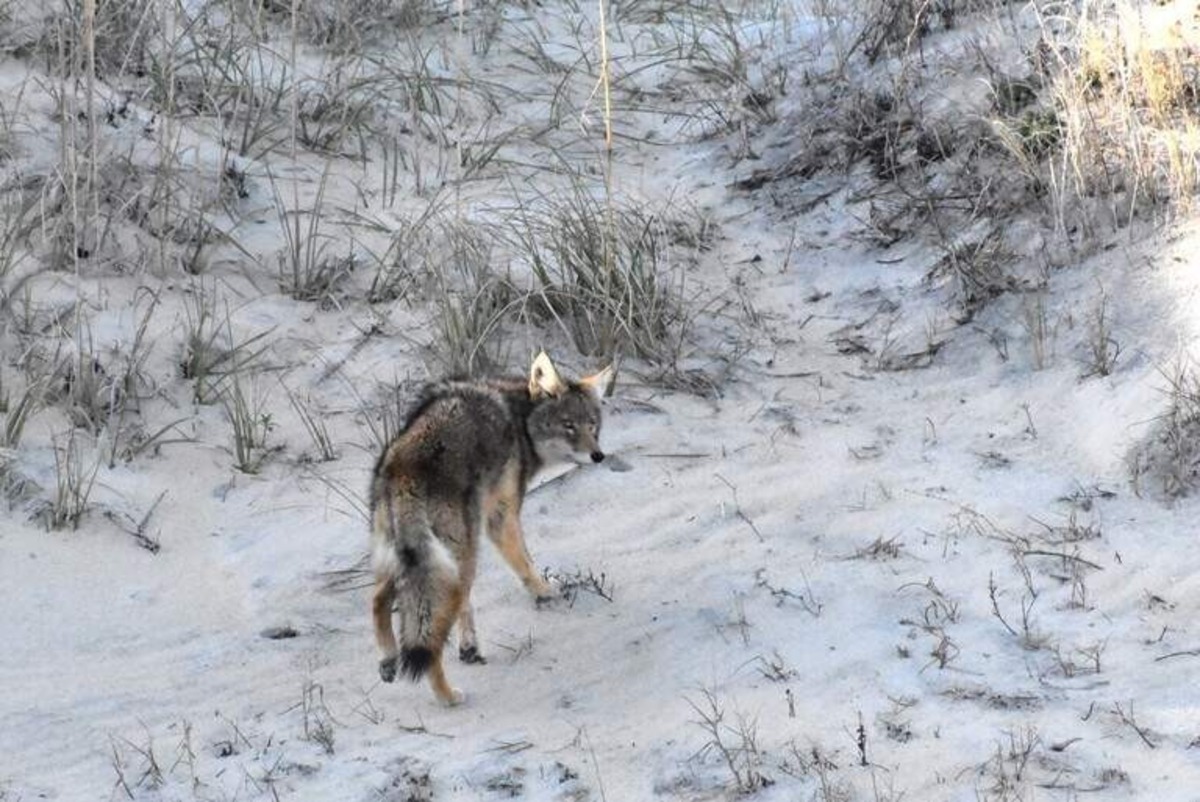
Coyotes have been spreading across North Carolina’s Outer Banks for about two decades, and new research shows just how far they’ve traveled.
An NC State University study identified 62 individual coyotes across at least seven barrier islands using genetic samples collected in 2024 and 2025, The News & Observer reports.
Editor's Picks
Among the findings was a female coyote documented swimming between North Core Banks and Shackleford Banks, a journey of nearly 2 miles across the inlet.
Researchers say the discovery provides evidence of coyotes moving between separate barrier islands, helping explain how the animals have expanded their presence along the coast.
Federal agencies have removed nearly 160 coyotes from the islands since 2009 to protect nesting sea turtles and American oystercatchers, but the population has persisted.
“They’re here to stay,” said Daniel Sossover, a research associate at the N.C. Museum of Natural Sciences. Researchers are now considering how to manage the animals and their effects on other wildlife.
California tracks six wolves from the sky
Wildlife officials in Northern California took to the air for a three-day operation to locate and fit gray wolves with GPS tracking collars.
The California Department of Fish and Wildlife successfully collared six wolves from three packs in Sierra, Shasta and Siskiyou counties, The Fresno Bee reports.
The animals included pups and young adults. Crews attempted captures from five packs, but efforts in Plumas and Modoc counties were unsuccessful.
The collars record location information at predetermined intervals, helping biologists study wolf movements, dispersal and pack behavior.
Officials also collected genetic samples to better understand family relationships among the animals.
California now has 15 wolves fitted with functioning GPS collars, according to the department. The agency plans to update its public wolf-location map with information from the newly collared animals.
An angler who studies fishing records catches a record breaker
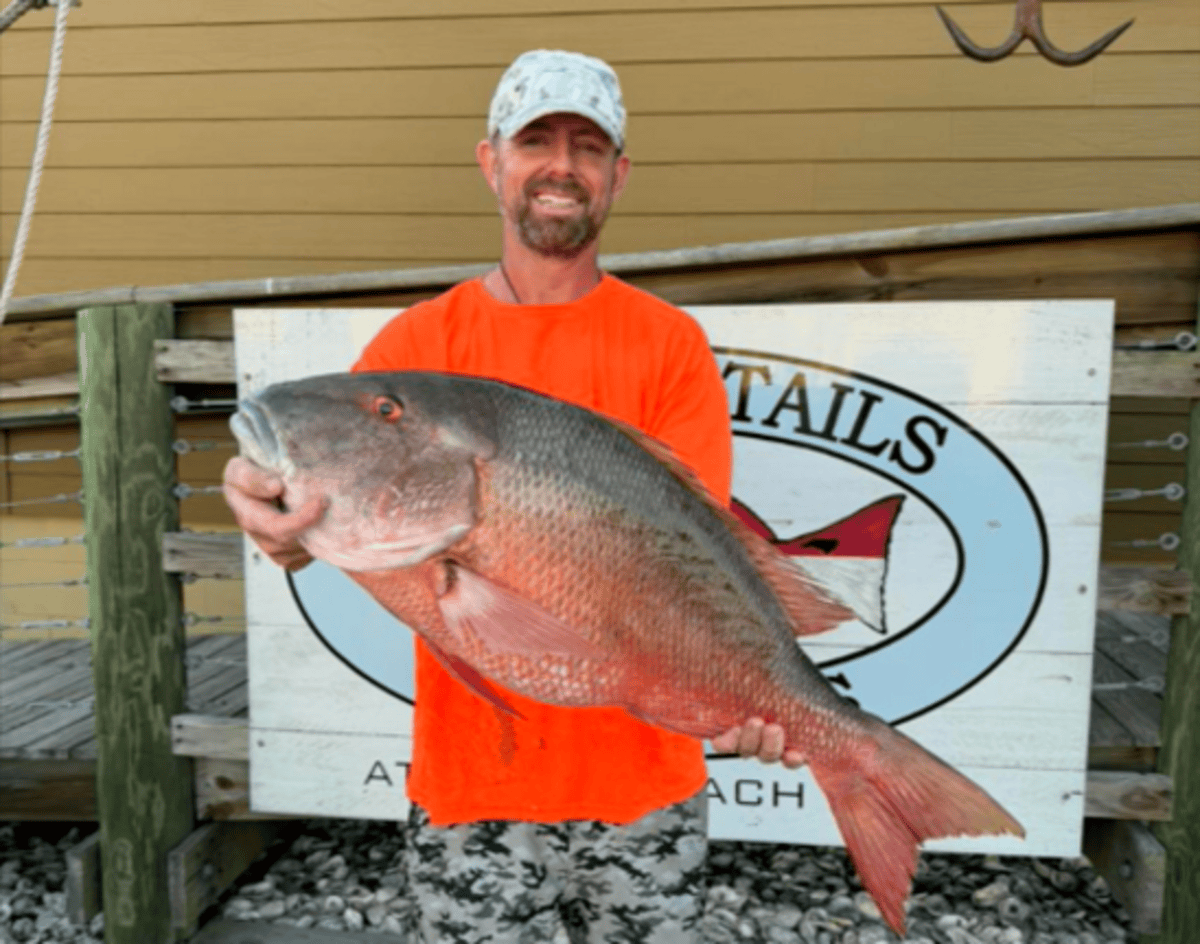
Miles Dover of Newport, North Carolina, has spent years studying the state’s fishing records for fun. Now, he’s part of the record books himself.
Dover was fishing about 70 miles offshore in Onslow Bay on Oct. 2 when something struck the whole Boston mackerel he had dropped into 150 feet of water.
After a fight lasting about five minutes, he brought a massive mutton snapper to the surface.
“I study the records and knew the fish was close,” Dover told The Charlotte Observer.
The fish weighed 20 pounds, 14.72 ounces on a state-certified scale, beating North Carolina’s previous record by more than 3 pounds.
Dover later froze the fish and donated it to the N.C. Department of Marine Fisheries for research.
State officials estimated the snapper was at least 20 years old. Mutton snapper can live for decades, with a documented maximum age of 29 years.
Your home base for the great outdoors. Sign up for the Camp & Country newsletter.
Keep the adventure going. Follow Camp & Country on Instagram, Facebook, X and Bluesky for outdoor inspiration, trip ideas and more.
This story was produced with the assistance of a proprietary tool powered by artificial intelligence and using McClatchy Media’s originally reported, written and published content. It was reviewed and edited by our journalists.