
Before you compare price tags or scroll through gear reviews, start with a different question: What do you actually want to do on the water?
That’s the advice from Kelsey Bracewell, director of education, insurance and membership at the American Canoe Association, who has spent 17 years teaching paddlers.
“All of these activities in life in general are challenging if you’ve never done them before,” she says, and the right choice “depends upon what that person’s goal is. Do they want to take their kids and their dog, or are they just trying to go get some exercise for themselves or are they going to go bird watching or fishing?”
There’s no single answer for every beginner. Kayaks, canoes and stand-up paddleboards offer different experiences, and understanding those differences can help you decide what to try first.
Kayaks: Options for solo outings and group adventures
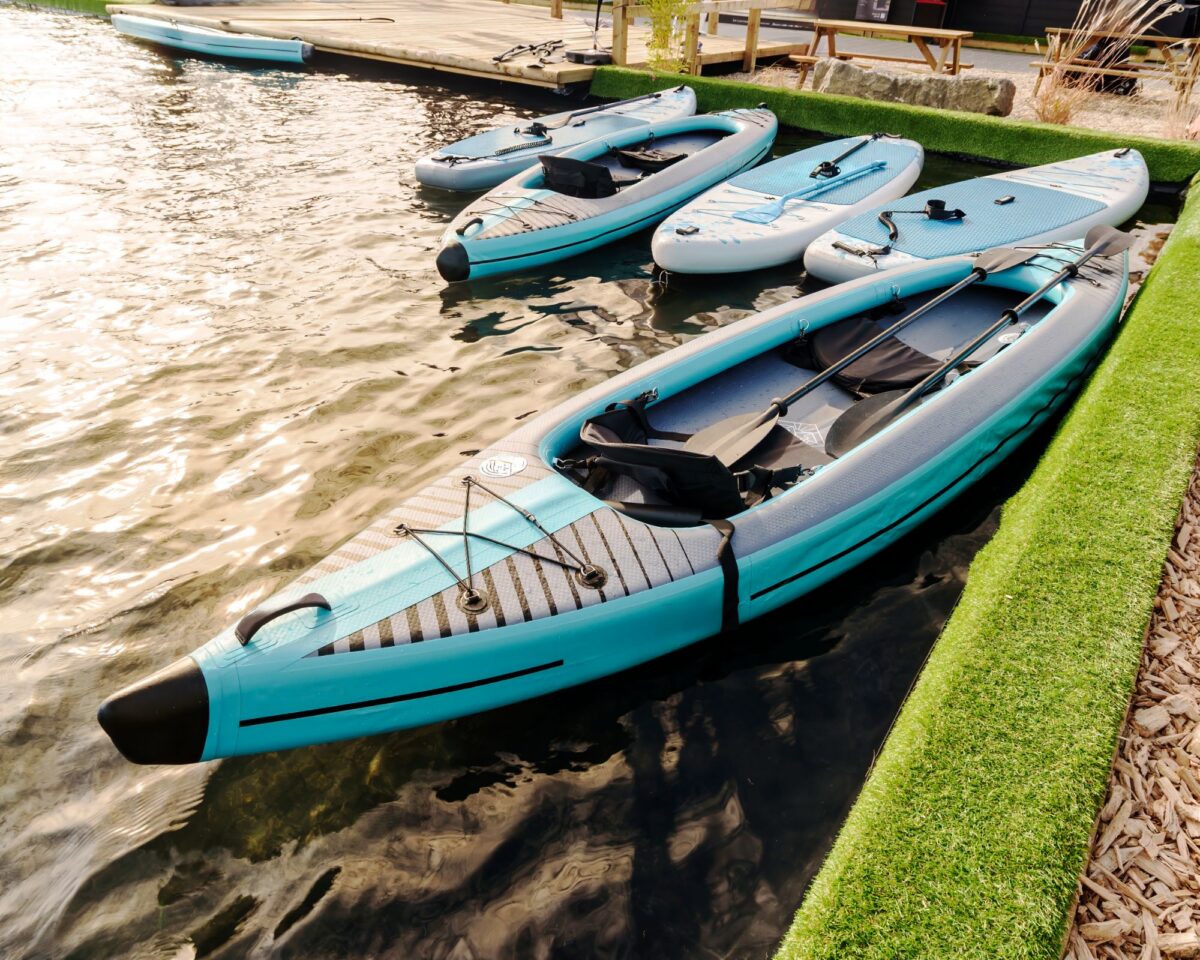
Kayaks come in two main designs: sit-inside and sit-on-top. Both are available in rigid and inflatable versions, with options across a range of budgets.
A sit-inside kayak places you in a cockpit, while a sit-on-top has an open deck. That difference is worth considering if you’re concerned about feeling confined.
Kayaks can work well for someone who wants to paddle independently, whether for exercise or exploring a quiet stretch of water. They also make it possible to head out with friends or family members who have their own craft.
Before choosing one, think about how you’ll use it. A short recreational outing and a trip that involves carrying additional equipment may call for different designs.
Canoes: Room for company and supplies
If you’re picturing a day on the water with other people, a canoe deserves consideration.
Canoes offer room for paddling with companions and carrying supplies. That can be appealing if your plans include a picnic or an overnight camping trip.
Bracewell’s question about bringing kids and a dog is particularly relevant here. Think about how many people or animals you’d like to bring, what equipment you’ll need and whether the craft has sufficient capacity for everyone and everything aboard.
A canoe could be a good fit for a shared outing, although the right choice still depends on the specific craft and conditions.
Paddleboards: Sit, kneel or stand
Not everyone likes the idea of sitting inside a cockpit. If that sounds familiar, a stand-up paddleboard might be worth trying.
Despite the name, you don’t have to stand the entire time. You can sit, kneel, lie down or stand, giving you several ways to position yourself on the board.
That flexibility offers a different experience from paddling inside a kayak or canoe. You can start by kneeling or sitting while you get comfortable with how the board responds.
If you’re interested in exercise or simply want to try something different on calm water, a paddleboard is another option to explore.
Let your plans help narrow the choices
Still undecided? Consider what your ideal day on the water actually looks like.
If you’re heading out alone for exercise, a kayak or paddleboard might interest you. If you want to share a craft with someone or bring supplies for a picnic, look at canoes.
For activities such as fishing or bird-watching, think about how much equipment you need, whether you’d prefer to sit or stand and what kind of water you plan to explore. Different designs within each category can change what’s practical.
Where you intend to paddle matters, too. A sheltered pond or bay presents different conditions from a waterway with strong currents, waves or heavy boat traffic. Start with a destination suited to your experience, then consider which available craft is appropriate for it.
Camp & Country · Paddle picker
Quiz: Which type of paddling should you try first?
Kayak, canoe or paddleboard? Answer five quick questions about your ideal day on the water, and we’ll help you narrow down where to start.
Your guide: Pip, an enthusiastic (and entirely unlicensed) river otter.
This quiz needs JavaScript, and it isn’t running yet. Try reloading the page. The article explains how kayaks, canoes and paddleboards differ.
Question 1 of 5: What does your ideal day on the water look like?
Question 2 of 5: Who’s coming along?
Question 3 of 5: How would you prefer to paddle?
Question 4 of 5: What would you like to bring?
Question 5 of 5: What sounds most appealing about getting started?
Your starting point
Your result
Why this might suit you
Also worth considering
Kayak
Canoe
Paddleboard
Your next step
Your trip log
Whatever you choose, start with calm, protected water, wear an appropriate life jacket and consider an introductory lesson.
Try before you buy
You don’t have to make your first paddling experience a major equipment purchase.
Consider booking a guided outing with a local outfitter or an ACA-certified instructor. An instructor can help you choose a suitable location, get comfortable with the basics and explore which type of paddling interests you.
If rentals are available, trying a craft before purchasing one can also help you understand how it feels on the water.
Bracewell says a good first experience is what brings people back. Finding an activity that suits your goals is a sensible place to begin.
Once you’ve decided what you’d like to try, read our complete beginner’s guide to paddling for advice on choosing a destination, checking conditions, packing essentials and preparing for your first outing.
Your home base for the great outdoors. Sign up for the Camp & Country newsletter
Keep the adventure going. Follow Camp & Country on Instagram, Facebook, X and Bluesky for outdoor inspiration, trip ideas and more.
This story was produced with the assistance of a proprietary tool powered by artificial intelligence and using McClatchy Media’s originally reported, written and published content. It was reviewed and edited by our journalists.