
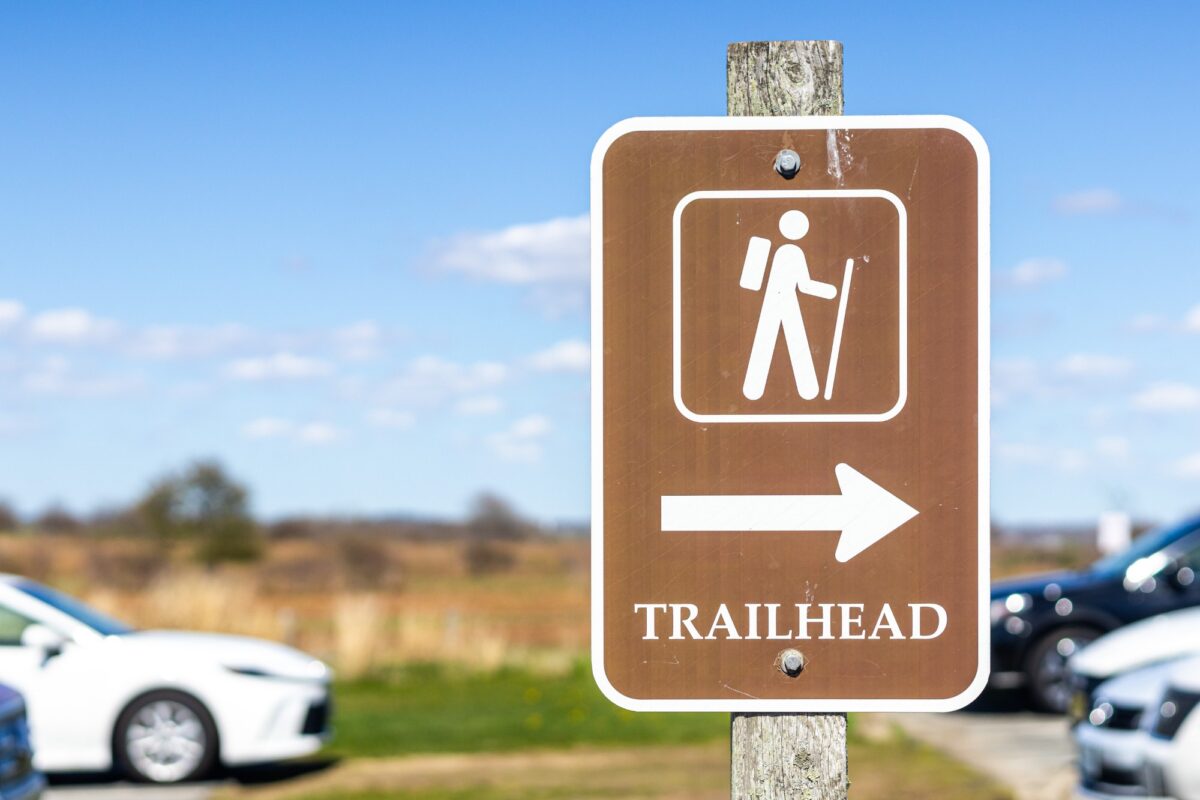
A full parking lot, an unexpected permit requirement or a closed trail can derail a hike before it even begins. If you’re visiting a trailhead for the first time, a little research can help you avoid surprises.
Here are three things to check before leaving home.
Check permits and fees
Start with the official website for the park, forest or recreation area. Find out whether you need an entry pass, parking reservation or hiking permit.
Some destinations require timed-entry reservations that can sell out in advance. Others charge parking or day-use fees, so check how and when you can pay.
If you purchase a permit ahead of time, save a screenshot of the confirmation on your phone. You might not have cell service when you arrive.
Research parking and road access
Use Google Maps’ satellite view to get a sense of the trailhead parking lot and surrounding roads.
A small lot may fill early, particularly on busy weekends. Look for designated overflow parking or alternative access points, and confirm whether roadside parking is permitted.
Check the road leading to the trailhead, too. Some unpaved routes may require a high-clearance vehicle.
It’s also worth identifying a landmark near the entrance, since navigation apps can be unreliable in rural areas.
Finally, check whether the trailhead has restrooms or drinking water. Bring enough water regardless of what’s available on-site.
Look for closures and current conditions
Good weather doesn’t necessarily mean a trail is in good shape. Earlier storms may have caused flooding, fallen trees or damage that affects access.
Check three sources before heading out:
- Official park or forest updates: Look for trail closures, fire restrictions, flooding, wildlife alerts and damaged infrastructure.
- Recent AllTrails reviews: Look for reports of mud, snow, fallen trees, difficult creek crossings or inaccessible sections. Remember that user reports may be incomplete or outdated.
- Local webcams: Parks, visitor centers and ski resorts sometimes provide views of current snow cover, cloud conditions or visibility.
If the trail is closed or conditions are unsafe, switch to a backup destination you’ve already checked for access and parking.
For more help planning an unfamiliar outdoor destination, including weather, wildlife, packing and scheduling, read our complete guide to planning an outdoor day trip.
Your home base for the great outdoors. Sign up for the Camp & Country newsletter
Keep the adventure going. Follow Camp & Country on Instagram, Facebook, X and Bluesky for outdoor inspiration, trip ideas and more.
This report was produced with the assistance of a proprietary tool powered by artificial intelligence and using our own originally reported, written and published content. It was reviewed and edited by our journalists.