

From prehistoric-looking birds gathering in California wetlands to a meteor streaking across the North Carolina sky, this week’s outdoor news has a little bit of everything. Here are four unusual stories reported by McClatchy newsrooms around the country.
Prehistoric-looking birds return to California
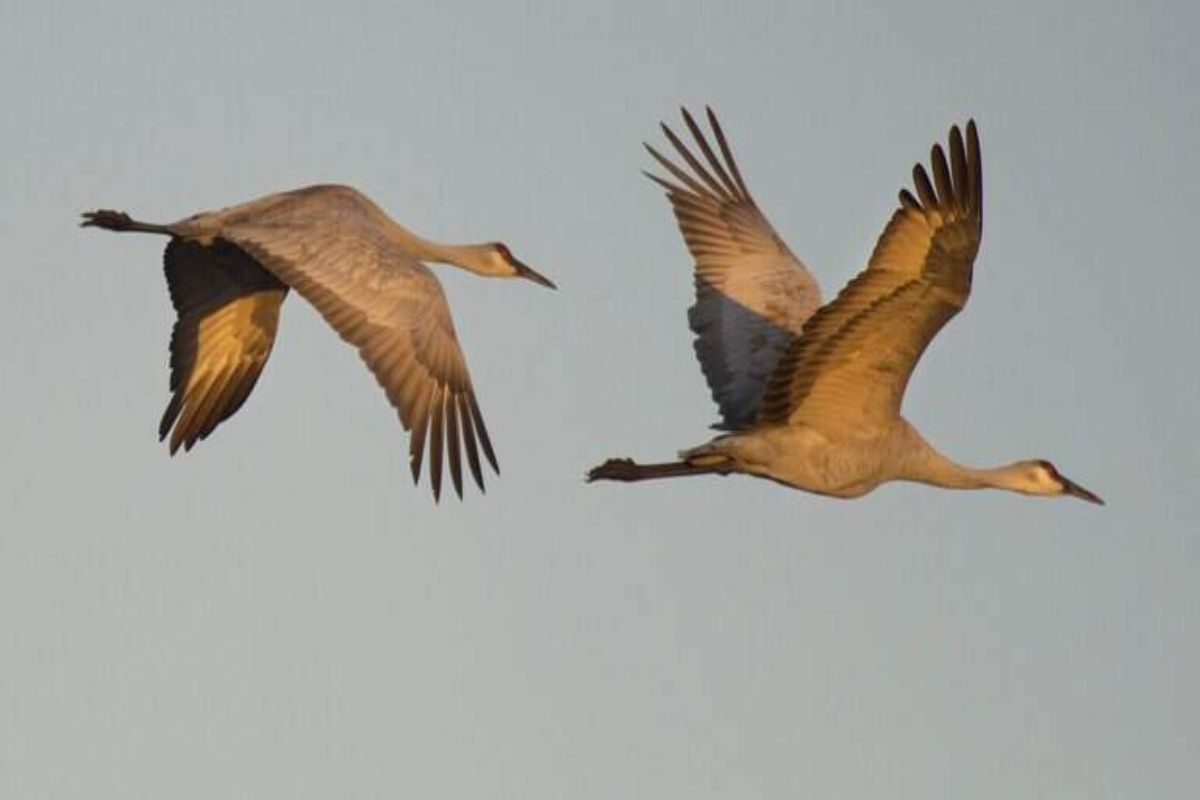
Sandhill cranes have returned to the Sacramento Valley and Delta for the season, arriving from breeding grounds as far away as Alaska, Canada and Siberia, The Sacramento Bee reports.
The long-legged birds can stand 3 to 5 feet tall, and their rattling calls can carry for miles. Their prehistoric reputation is well earned: Sandhill crane fossils date back about 2.5 million years.
Want to see them? The Cosumnes River Preserve near Galt is one place to look. Cranes typically arrive in early fall and remain through winter, with sunrise and sunset offering opportunities to watch them move between feeding and roosting areas.
Guess when a massive elephant seal will arrive
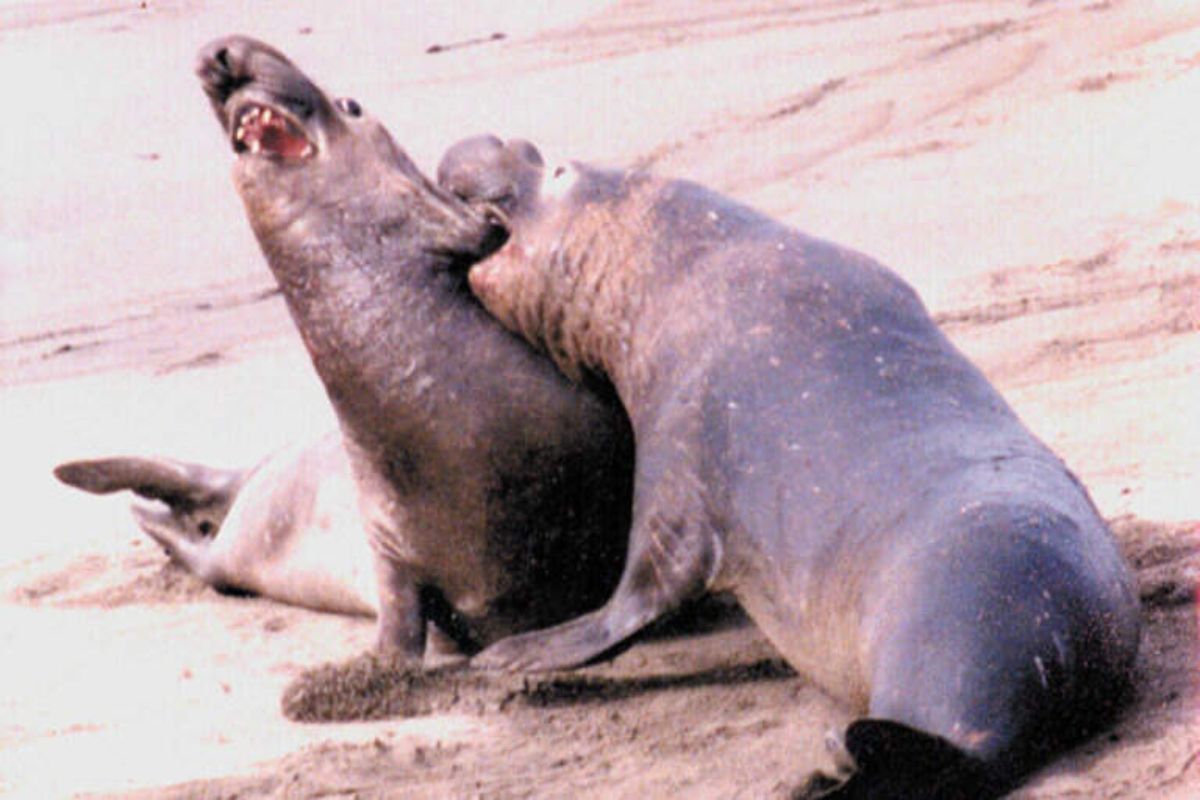
Along California’s Central Coast, Friends of the Elephant Seal is turning the beginning of breeding season into a guessing game.
The organization is inviting people to predict when the first adult male elephant seal will arrive at the Piedras Blancas rookery in San Luis Obispo County, The Tribune reports.
Adult males typically begin returning around Thanksgiving, followed by females in December. The first pup is usually born in mid- to late December.
The winner receives a merchandise discount from Friends of the Elephant Seal. Meanwhile, visitors can watch the seals from the free bluff-top boardwalks at Piedras Blancas.
NASA identifies a fireball over North Carolina
A bright fireball spotted over western North Carolina and southern Tennessee on Friday, Nov. 6, was a meteor traveling at approximately 47,000 mph, according to NASA.
The object was only about 2 inches across and weighed roughly 6 ounces, The Charlotte Observer reports.
NASA traced its path from about 53 miles above Robbinsville, North Carolina, to roughly 25 miles above East Ridge, Tennessee, where it disintegrated.
And despite its appearance during meteor shower season, NASA said the fireball wasn’t part of the active Taurid meteor shower.
A North Carolina bridge could become a fishing reef
What do you do with a 2.8-mile bridge after it’s replaced? In North Carolina, officials are considering turning much of it into an artificial fishing reef.
The proposal would place approximately 300 spans of the Lindsay C. Warren Bridge into Albemarle Sound, creating a reef across roughly 125 acres of sandy bottom, The Charlotte Observer reports.
The idea is to create underwater habitat that could attract marine life and benefit recreational fishing.
The existing bridge is expected to be dismantled after its replacement opens in fall 2028. For now, the reef remains a proposal, with a public meeting scheduled for Dec. 3 at the College of the Albemarle in Manteo.
Your home base for the great outdoors. Sign up for the Camp & Country newsletter
Keep the adventure going. Follow Camp & Country on Instagram, Facebook, X and Bluesky for outdoor inspiration, trip ideas and more.
This story was produced with the assistance of a proprietary tool powered by artificial intelligence and using McClatchy Media’s originally reported, written and published content. It was reviewed and edited by our journalists.