
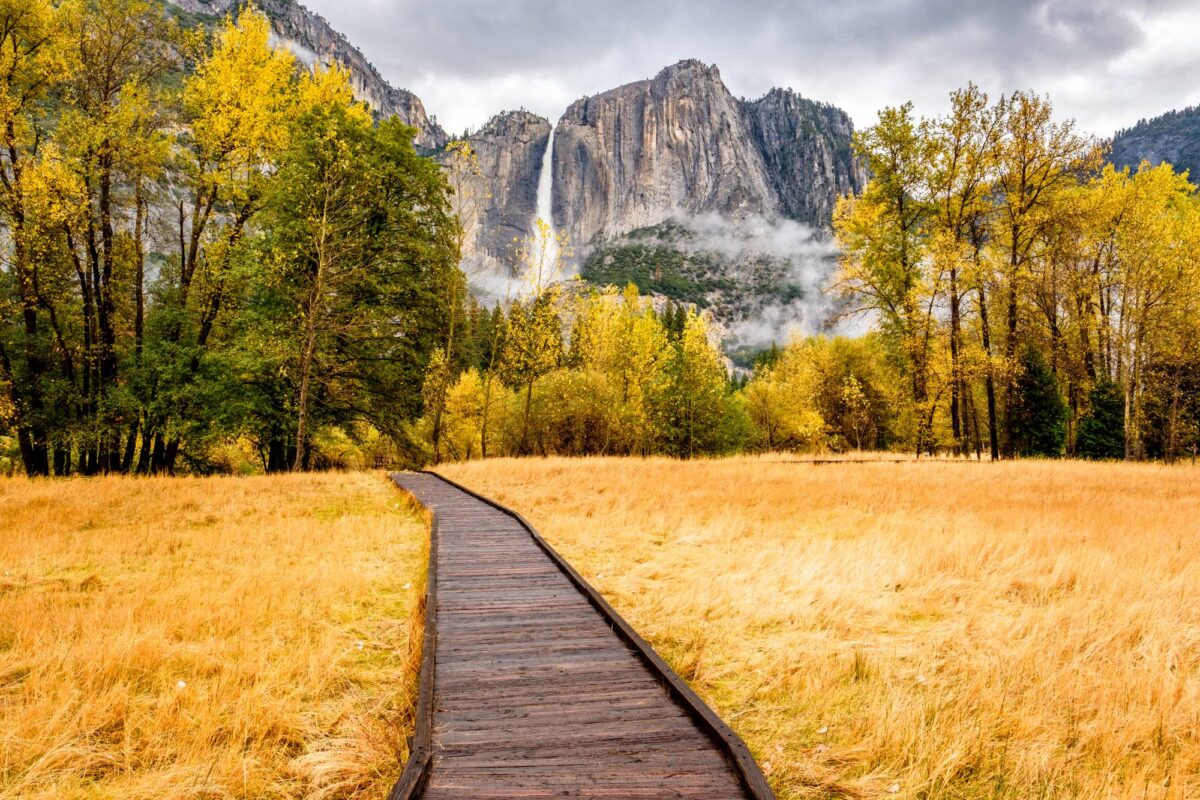
Fall is one of my favorite times to explore California’s Eastern Sierra and surrounding mountains, when golden aspens and cooler temperatures make for spectacular scenery. I’ve spent years exploring the region, including while working on Moon Northern California Road Trips, and these are three places I’d recommend visiting. Just keep in mind that fall is also shoulder season, when campgrounds, restaurants and other services begin winding down for winter. Here’s where to go, what to do and what to know before heading out.
Hope Valley
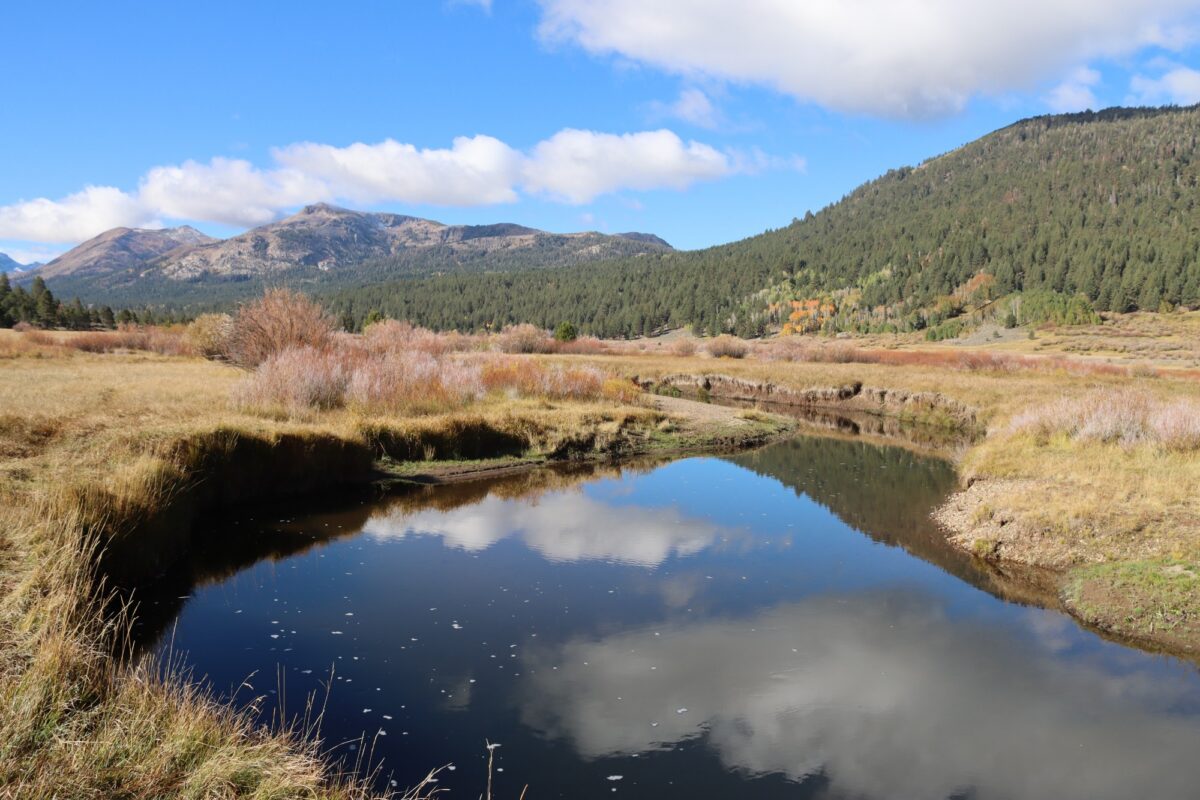
In late September and early October, Hope Valley’s quaking aspens put on a show, turning brilliant shades of yellow and gold. It’s common to see drivers pulling over to photograph the trees and enjoy the cooler mountain temperatures.
What to do: See the aspens changing color along highways 88 and 89, soak in the mineral pool at Grover Hot Springs State Park, about four miles west of Markleeville, or go fishing in nearby creeks and rivers where permitted. The scenic highways are also popular with motorcyclists crossing the Sierra. Check the pool’s operating schedule before visiting, as hours and access vary by season.
How to plan: Hope Valley is a popular day trip from Carson City or South Lake Tahoe, both of which offer additional lodging options if you want to make a weekend of it.
Where to stay: Consider Creekside Lodge in Markleeville, Desolation Hotel in Hope Valley or the campground at Grover Hot Springs State Park. The campground’s operating arrangements change with the seasons, so check current conditions before visiting.
Where to eat: Try Stonefly for a wood-fired dinner or Cutthroat Tavern for casual pub food in Markleeville. Cutthroat Tavern traces its history to 1862.
June Lake Loop
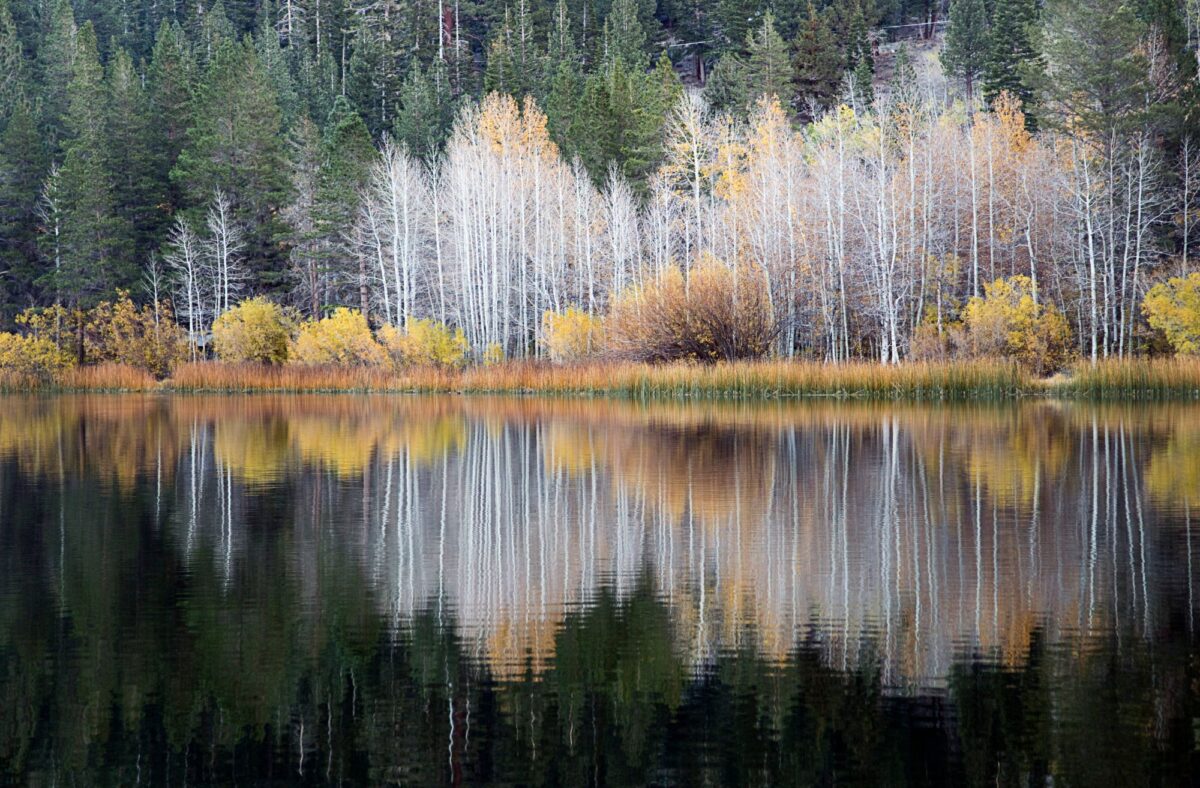
Between Lee Vining and Mammoth Lakes, the 15-mile June Lake Loop follows Highway 158 past lakes, mountain scenery and groves of aspens that turn golden in fall. The area also offers campgrounds, restaurants, fishing opportunities and a ski resort.
What to do: Drive the June Lake Loop along Highway 158, stopping to photograph the aspens, or fish at Silver Lake or Gull Lake where permitted. If you’re visiting before November, you could also explore Devils Postpile National Monument near Mammoth Lakes. Reds Meadow Road is open from Saturday morning through Sunday night until Nov. 1, 2026, weather permitting, before closing to vehicle and pedestrian traffic Nov. 2.
How to plan: Check Mono County’s fall color reports to see where the leaves are changing before your trip. Campgrounds in the area operate on seasonal schedules, so confirm availability before planning an overnight stay. Mammoth Lakes also offers hotel options if you’d rather stay indoors.
Where to stay: Consider Double Eagle Resort in June Lake or Silver Lake Campground, if it’s still open for the season. My favorite place to camp among the aspens is Lundy Canyon Campground, a primitive campground north of June Lake. Lundy Canyon typically operates from mid-April through mid-November, depending on snow and road conditions. The campground has no drinking water, doesn’t take reservations and accepts cash only.
Where to eat: Try the Tiger Bar & Café or T-Bar Social Club in June Lake, where you can order pizza and enjoy it indoors or, when weather permits, on the pet-friendly patio.
Yosemite National Park
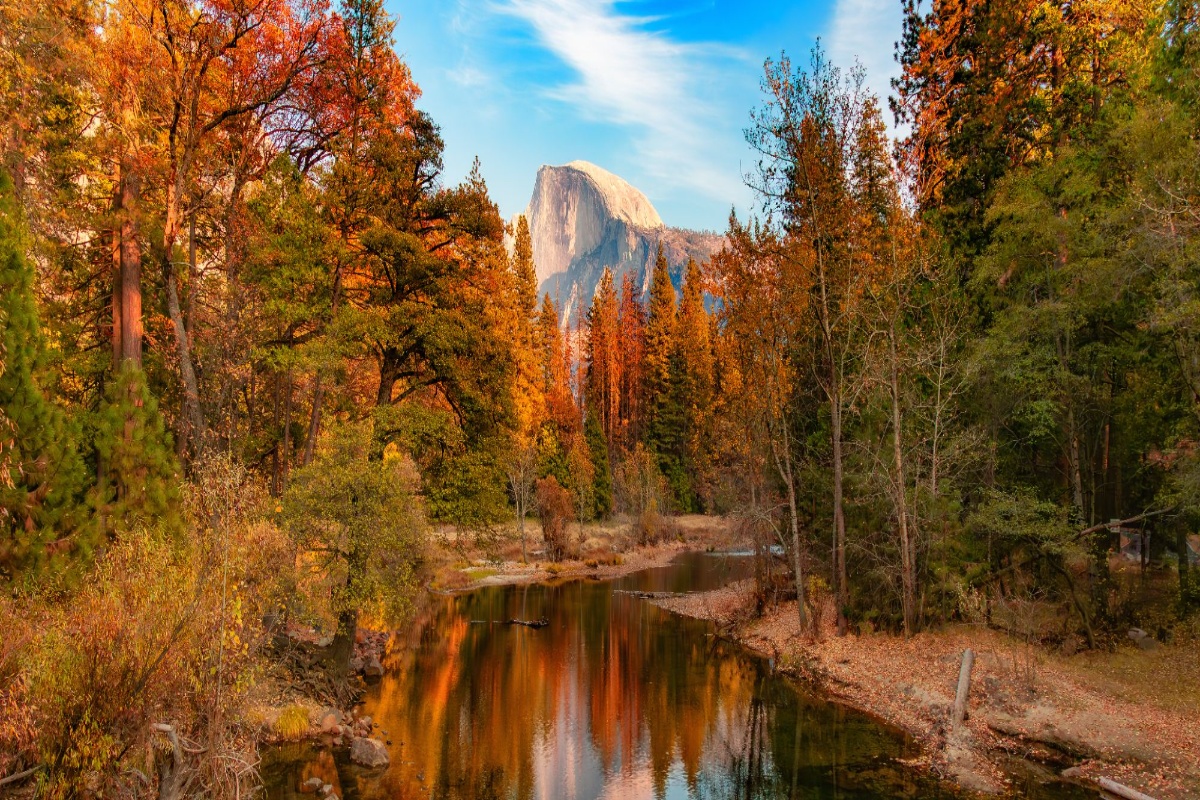
Fall is one of my favorite times to visit Yosemite National Park, especially to see the changing colors around Tuolumne Meadows and Tenaya Lake and enjoy the scenery with fewer crowds. I usually enter from the eastern side via Tioga Road, but the road closes seasonally because of snow, so it’s important to check current conditions before visiting.
What to do: If Tioga Road is open, hike and enjoy the high-country scenery around Tuolumne Meadows and Tenaya Lake. Tioga Pass sits at approximately 9,945 feet above sea level, so take time to acclimate, avoid overexertion and watch for symptoms of altitude sickness.
How to plan: Fill your gas tank before entering Yosemite, especially if you’re driving over Tioga Pass. The Mobil station near Lee Vining, at the junction of highways 120 and 395, is a convenient stop for fuel and supplies. Most visitor services around Tuolumne Meadows close by fall, so plan ahead for food and lodging. Yosemite’s standard entrance fee is $35 per private vehicle, valid for seven consecutive days. Non-U.S. residents ages 16 and older generally pay an additional $100 per person unless covered by an eligible pass. Check current entrance fees before visiting.
Where to stay: When I’m traveling with camping gear, I like staying at Curry Village. Other options in Yosemite Valley include Yosemite Valley Lodge and, for a more luxurious stay, The Ahwahnee. Check seasonal availability before booking.
Where to eat: If you’re entering from the east while Tioga Road is open, consider stopping at Whoa Nellie Deli near Lee Vining for a meal before heading into the park. Check its seasonal hours before visiting. In Yosemite Valley, you’ll find more dining options, including Degnan’s Kitchen and the Village Grill.